The 5W-ILF Recovery: A Comprehensive Analysis
- Craig Reid

- Feb 15
- 3 min read
Updated: Mar 26
Following my earlier analysis of the 5W-ILF runway incident in Apia, an engineer involved directly in the recovery reached out with first-hand operational detail. With permission, and my eternal thanks to Mr. Peter Hulskamp, this Part 2 focuses not on the incident itself, but on the recovery. Aircraft recovery is rarely visible work. Yet it is where engineering fundamentals, logistics, governance, and collaboration intersect under pressure.
Mobilisation: More Than Just Equipment
When the aircraft remained disabled on the runway at Faleolo International Airport (APW), regional assistance was activated.
In Sydney, recovery equipment was assembled based on anticipated lift requirements. This included:
Primary aircraft jacks (TN supplied)
A 40-tonne pneumatic elevator (QF supplied)
Boeing 737 recovery tooling
Supporting stabilisation equipment
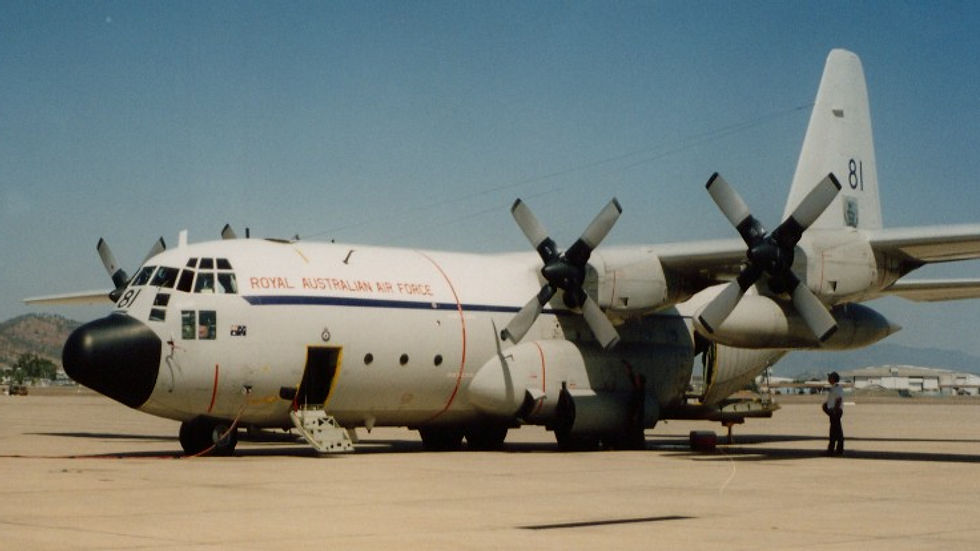
A Royal Australian Air Force C-130 was tasked to transport the equipment to Samoa. However, recovery operations are not purely mechanical exercises. An unexpected obstacle emerged: indemnity clearance for the military transport aircraft had not yet been formalised.
Without that legal framework in place, the aircraft repositioned pending approval. Only after a civil emergency was declared in Apia — due to runway closure — was indemnity granted and deployment resumed. This detail highlights something often overlooked in incident summaries:
Logistics, legal frameworks, and inter-agency coordination are integral components of operational resilience.
The Lift: Stabilising and Rebalancing
Once on site, the objective was clear — stabilise, lift, and restore landing gear functionality to move the aircraft and clear the runway safely.
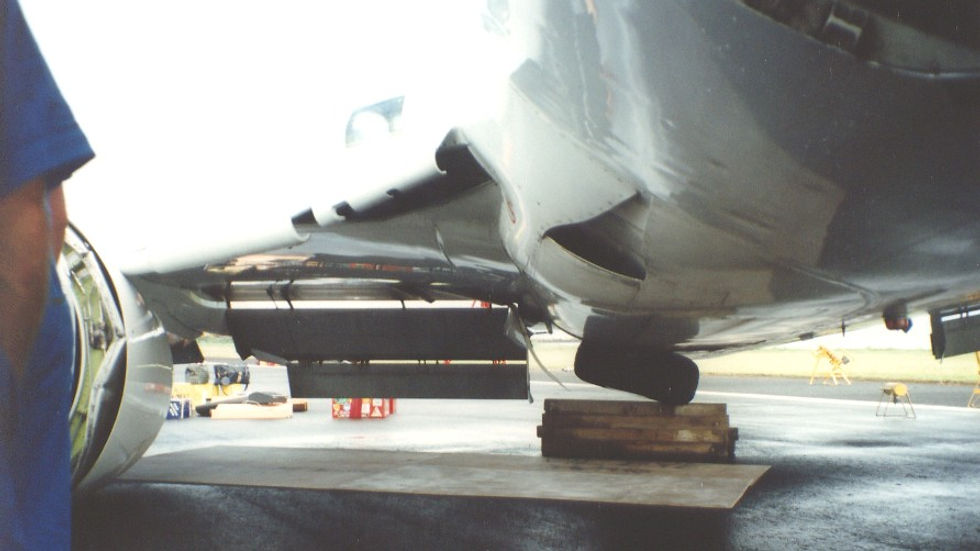
The recovery sequence began by raising the right wing using a 40-tonne pneumatic elevator to re-establish lateral balance.

With the wings level:
This was not a controlled hangar lift. This was a field recovery on an operational runway. As the lift progressed, a centre-of-gravity challenge emerged. To remove the temporary configuration and install the tail jack, the aircraft’s balance had to shift forward sufficiently to allow the rear fuselage to lift clear.
The solution was practical and grounded in first principles. Personnel were positioned forward within the aircraft, from the forward jack stations through to the flight deck, thus shifting the centre of gravity enough to enable safe tail jack installation.
It was controlled weight redistribution. Fundamental physics, applied calmly in a constrained environment.
With all primary jacks secured:
The aircraft was fully raised.
The right main landing gear was lowered.
Undercarriage functional checks were completed.
Once verified, the aircraft was lowered and towed clear of the runway.

Inspection and Redeployment
The following day, detailed inspections were conducted, including:
Engine pylon assessment
Thrust reverser evaluation
Structural follow-ups
Recovery equipment was then reloaded onto the C-130 for redeployment across multiple Pacific sectors before returning to Australia. Operational recovery does not end when the aircraft is upright. It continues until systems, structures, and logistics are fully reset.
What This Recovery Demonstrates
The 5W-ILF recovery offers several broader observations.
1. Engineering Fundamentals Are Portable
Load paths, balance control, and structural awareness do not depend on location. Sound engineering practice translates from hangar to runway.
2. Recovery Is a Systems Exercise
Aircraft recovery requires coordination across:
Operators
Engineering teams
Military airlift
Legal and regulatory frameworks
Remove any one of these elements, and the timeline changes.
3. Collaboration in the Pacific Matters
For smaller aviation markets, resilience often relies on regional cooperation rather than isolated capability. This recovery reflected that model in action.
As Peter reflected:
“Much was learned. A great aircraft recovery experience for all.”
Incidents test aircraft. Recoveries test systems.
The Apia operation demonstrated disciplined execution, calm improvisation, and cross-operator professionalism, the kind rarely seen publicly, but fundamental to aviation safety.
Conclusion
In conclusion, the recovery of the 5W-ILF aircraft serves as a testament to the importance of collaboration, engineering principles, and effective logistics in aviation. The lessons learned from this incident can be applied to future operations, ensuring that the aviation industry remains resilient and prepared for any challenges that may arise.
Stay Safe,
Craig.
Photographs used with kind permission from Mr. Peter Hulskamp.


Comments